

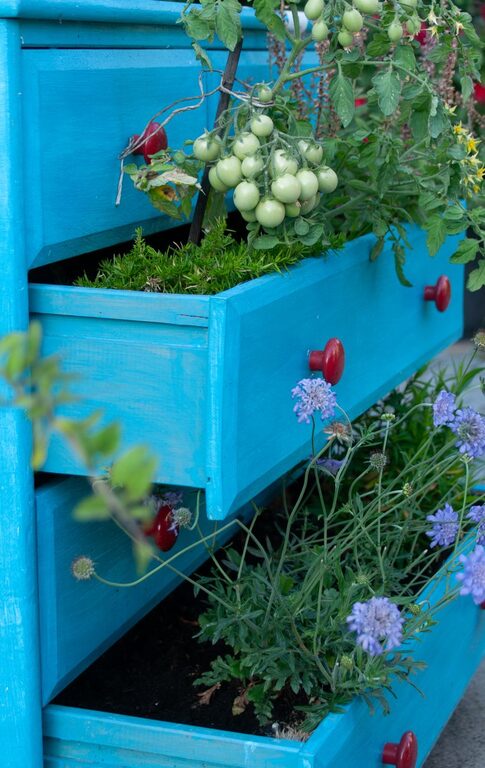
Small outdoor spaces can be just as enjoyable and productive as large gardens. A balcony, patio, front step, or compact yard can hold flowers, herbs, vegetables, and even a cozy place to relax. The key is to choose projects that make good use of vertical space, flexible containers, and areas with enough sunlight.
You do not need expensive tools or advanced gardening skills to get started. These easy projects can help you create a greener outdoor space one small improvement at a time.
1. Create a Container Garden
Container gardening is one of the easiest ways to grow plants in a small area. Pots can be placed on steps, shelves, tables, or railings, and they can be moved when you want to change the layout.
Choose containers with drainage holes to prevent excess water from collecting around plant roots. Almost any container can work if it is clean, sturdy, and safe for plants. Consider using:
– Terracotta pots
– Wooden boxes
– Metal buckets
– Fabric grow bags
– Recycled food containers
– Decorative planters
Match the container size to the plant. Small herbs can grow in compact pots, while tomatoes and peppers need larger containers to support their roots. Use fresh potting mix rather than garden soil, which can become heavy and compacted in containers.
For a simple arrangement, place tall plants in the back, medium-sized plants in the center, and trailing plants near the edge. This creates a fuller display without taking up additional floor space.
2. Build a Vertical Herb Garden
When floor space is limited, look up. A vertical herb garden allows you to grow useful plants on a wall, fence, railing, or free-standing frame.
You can make one with a wooden pallet, a set of wall-mounted planters, or several small pots attached to a sturdy trellis. Another option is to hang fabric pockets designed for plants.
Good herbs for a small vertical garden include:
– Basil
– Chives
– Mint
– Parsley
– Thyme
– Oregano
– Rosemary
Place the garden where it receives the amount of sunlight the herbs need. Most herbs prefer several hours of sunlight each day, although some can tolerate partial shade. Water carefully, because upper containers may dry out faster than lower ones.
Mint grows quickly and can spread through its roots, so it is usually best kept in its own container.
3. Make a Window Box Garden
A window box adds color and greenery without using much ground space. It can be attached beneath a window, placed on a balcony ledge, or set on a stable railing support.
For a balanced window box, combine plants with different shapes:
– Upright flowers for height
– Compact plants for the center
– Trailing plants that spill over the edge
Seasonal flowers can provide bright color, while leafy plants create a fuller look. You can also grow lettuce, spinach, or herbs in a window box if the location receives enough light.
Before installing a box, check that it is securely supported and that water will not damage the wall or surface below. A liner or drip tray can help protect nearby materials.
4. Turn a Corner Into a Mini Garden
Unused corners are valuable in a small outdoor space. A narrow plant stand, ladder shelf, or tiered rack can turn one corner into a compact garden display.
Use the different levels for plants with similar care needs. For example, place sun-loving plants on the top shelf and shade-tolerant plants on lower levels if the area is partly covered.
A simple ladder garden can be made by leaning a sturdy wooden ladder against a wall and placing pots on the steps. Make sure the ladder is stable and cannot tip over. Avoid overcrowding the shelves, since plants need enough room for air circulation and growth.
This type of display is also easy to update. Replace seasonal flowers, move plants closer to the light, or rearrange pots as they grow.
5. Grow a Small Salad Garden
Leafy greens are well suited to containers because they do not need deep root systems. A shallow planter or recycled storage box can provide enough room for a small supply of fresh greens.
Try growing:
– Leaf lettuce
– Arugula
– Baby spinach
– Mustard greens
– Radishes
– Green onions
Sow seeds in small sections every few weeks for a steady harvest. This method, often called succession planting, helps prevent all the plants from maturing at the same time.
Harvest leafy greens by picking the outer leaves first. The plant can continue producing new growth as long as the center remains intact. Keep the soil evenly moist, especially during warm or windy weather.
6. Add a Simple Trellis
A trellis gives climbing plants room to grow upward instead of outward. It can be attached to a wall, placed inside a large container, or used as a divider between areas of a patio.
Lightweight climbing plants suitable for containers may include:
– Sweet peas
– Climbing beans
– Small cucumbers
– Nasturtiums
– Morning glories
Choose a trellis that matches the mature size of the plant. Secure it firmly before the plant becomes large and heavy. Guide young stems toward the support with soft ties, taking care not to bind them tightly.
A trellis can also create privacy and add height to a small space. For a decorative effect, combine a climbing plant with a wide container filled with low-growing flowers.
7. Make a Pollinator-Friendly Pot
Even one container can provide useful food for bees, butterflies, and other beneficial insects. Choose plants with open flowers that are easy for insects to reach, and avoid filling the container with only one type of plant.
A pollinator-friendly container might include:
– Lavender
– Marigolds
– Coneflowers
– Salvia
– Zinnias
– Sweet alyssum
Place the pot in a sunny location and keep it free from strong winds when possible. Grouping several containers together can make the area easier for pollinators to find.
Include a shallow dish of clean water with a few small stones. The stones give insects a safe place to land while drinking.
8. Create a Relaxing Garden Spot
A small garden should be enjoyable, not just practical. Add a folding chair, a compact bench, or a small outdoor table near your plants. Even a few comfortable details can make the space feel like a peaceful retreat.
Consider adding:
– Solar lights
– A weather-resistant cushion
– A small outdoor rug
– A decorative plant stand
– A bird-friendly feature
– A container with fragrant flowers
Keep the layout open enough to move around and care for the plants. In a compact area, every item should serve a purpose or add something you genuinely enjoy.
Tips for Keeping a Small Garden Healthy
Small gardens are easier to manage when you create a simple routine. Check containers regularly, especially during hot or dry weather. Pots can dry out faster than plants growing in the ground.
Use these basic habits:
– Water when the top layer of soil feels dry.
– Remove faded flowers to encourage new blooms.
– Trim overgrown herbs and trailing plants.
– Rotate containers so plants grow evenly.
– Check leaves for pests or signs of stress.
– Refresh potting mix when plants are repotted.
– Use saucers carefully so containers do not sit in standing water.
Start with a few projects instead of filling the entire space at once. As you learn how much sunlight, water, and care your plants need, you can expand the garden with confidence. With thoughtful placement and a few simple materials, even the smallest outdoor area can become a lively and welcoming garden.