

A day trip can be a refreshing way to explore somewhere new without the time and expense of an overnight stay. However, trying to pack too much into a single day can leave everyone tired and rushed. The key to a more enjoyable outing is to build rest into the plan from the beginning.
With a realistic route, comfortable breaks, and a flexible schedule, you can create a day trip that feels relaxing rather than exhausting. Whether you are traveling by car, train, bicycle, or public transportation, these steps can help you plan a smoother experience.
Start With a Comfortable Pace
Before choosing destinations, decide what kind of day you want to have. Some trips are designed around sightseeing, while others focus on nature, food, shopping, or spending time together. A clear purpose makes it easier to avoid unnecessary stops and long detours.
Try to limit your plan to one main destination and one or two nearby activities. This gives you enough structure to make the most of the day without filling every minute.
Consider the following questions:
– How long is the total travel time?
– How much walking will the day involve?
– Will everyone in the group have similar energy levels?
– Are there places to sit along the route?
– What time does everyone need to return home?
A useful rule is to plan less than you think you can accomplish. Extra time can be used for a scenic stop, a longer meal, or an unexpected discovery.
Choose a Route With Natural Breaks
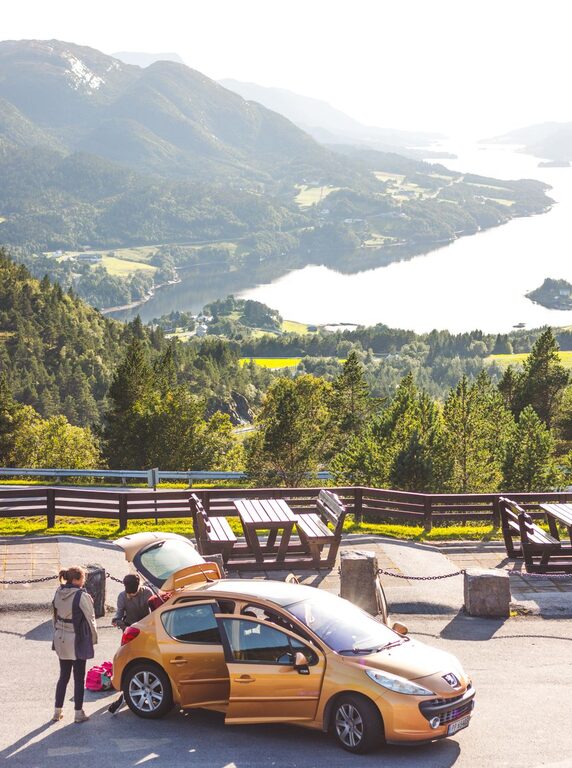
Rest stops do not need to be separate destinations. Look for places where you can pause comfortably as part of the journey. These may include parks, cafés, visitor centers, scenic overlooks, public plazas, libraries, or quiet towns.
When mapping your route, check for a convenient break about every 60 to 90 minutes. The exact timing depends on the group, but regular pauses can prevent fatigue from building up.
A good rest stop should offer:
– Seating or a comfortable place to relax
– Restrooms when possible
– Food, drinks, or a place to refill water
– Shade or shelter from the weather
– Easy access from the main route
– Enough space to move around safely
If you are traveling by public transportation, identify stations with seating, nearby cafés, and clear connections. For walking or cycling trips, plan breaks near parks, benches, or other low-traffic areas.
Build a Simple Day Trip Schedule
A flexible schedule gives you direction without making the trip feel like a series of appointments. Start by estimating the main parts of the day:
- Travel time to the destination
- Time for the primary activity
- One or more rest breaks
- A meal or snack stop
- Travel time home
- A small buffer for delays or changes
For example, a relaxed schedule might include a morning departure, a late-morning break, a main activity around midday, lunch, an afternoon rest stop, and an early evening return.
Avoid scheduling activities back to back. Allow at least 15 to 30 minutes between major plans so the group can use the restroom, find a seat, take photos, or simply slow down.
Plan Rest Stops Before You Leave
It is easier to enjoy breaks when you know where they will happen. Review your route ahead of time and mark possible stops on a map. Keep two or three options available in case one is crowded, closed, or unsuitable.
You can also prepare a short list of questions for each stop:
– Is parking or access easy?
– Are there stairs or long walks?
– Is seating available?
– Are food and restrooms nearby?
– Will the stop be comfortable in poor weather?
– How long should the group stay?
Do not treat a rest stop as wasted time. A short pause can help everyone enjoy the next activity more fully. In many cases, the break itself becomes one of the pleasant memories of the trip.
Match Activities to the Group
A successful day trip should work for the people attending, not just the destination. Think about different preferences, ages, mobility levels, and attention spans.
If one person enjoys museums and another prefers outdoor scenery, look for a destination that offers both. A historic district may include a museum, a park, cafés, and interesting architecture. A lakeside area may provide walking paths, picnic spaces, and small local shops.
Choose activities that can be shortened or adjusted. For example, you might visit part of a large museum instead of trying to see every exhibit. At a park, you could take a short walk rather than completing the longest trail.
It is also helpful to agree on a general pace before leaving. Let everyone know that taking breaks is part of the plan, not a sign that the day is going poorly.
Pack for Comfort and Convenience
A small, thoughtful bag can make rest stops easier. Pack items that support comfort without adding unnecessary weight.
Useful items may include:
– Water bottles
– Easy snacks
– A light jacket or rain layer
– Sunscreen and a hat
– Portable phone chargers
– Tissues and hand wipes
– A small blanket or sit pad
– Comfortable walking shoes
– Any tickets, maps, or reservations
Bring snacks that are simple to carry and eat. Crackers, fruit, sandwiches, and granola bars can help fill the gap between meals. If anyone in the group has specific food preferences, packing a few familiar options can make the day more comfortable.
Check the weather shortly before departure and adjust your plan. A hot, cold, or rainy day may require more indoor stops and shorter outdoor activities.
Make Meals Part of the Rest Plan
Meals are natural opportunities to slow down, but they can also become stressful if every restaurant requires a long wait or a difficult detour. Look for places that match the schedule and provide a comfortable setting.
If you are visiting a popular area, consider eating slightly earlier or later than the busiest period. A picnic can also be a relaxed option if the weather is suitable and the destination has tables or grassy areas.
Keep the meal flexible. You may discover a café that looks inviting or find that the group needs a longer break than expected. A good day trip plan leaves room for these small choices.
Leave Extra Time for the Return Journey
Many travelers plan the outbound route carefully but underestimate the trip home. Fatigue, traffic, delays, and slower walking can all extend the schedule.
Set a realistic departure time for returning home and avoid adding a final activity that could make everyone feel rushed. If the journey is long, include one more planned break rather than waiting until everyone is already tired.
Before leaving the main destination, take a few minutes to check directions, confirm transportation times, and make sure the group has everything. A calm departure helps the final part of the day go smoothly.
Keep the Plan Flexible
The best day trips usually have a basic structure and room for change. You may find that an attraction is busier than expected, the weather shifts, or the group simply wants to sit and talk longer.
Choose what matters most and be willing to skip something less important. If the main goal is to enjoy time together, there is no need to complete every item on the list.
A successful day trip is not measured by how many places you visit. It is measured by how comfortable, engaged, and refreshed everyone feels at the end. By planning regular rest stops, choosing manageable activities, and leaving space for the unexpected, you can turn a busy outing into a relaxed and memorable day.