

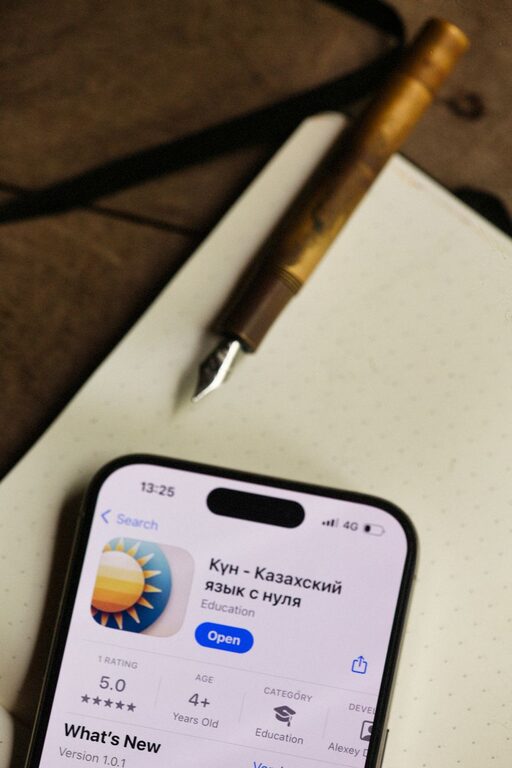
Learning a new language can seem difficult, especially when you are balancing work, school, family, and other responsibilities. The good news is that you do not need expensive courses or complicated equipment to get started. Free digital tools can help you practice vocabulary, listening, reading, writing, and speaking from almost anywhere.
The most effective approach is to combine several tools and use them regularly. A language app may help you learn basic words, while videos improve listening skills and online communities give you a chance to practice real conversations. With a simple plan, your phone or computer can become a useful language-learning space.
Start With a Clear Learning Goal
Before choosing tools, decide what you want to achieve. Your goal will affect the type of practice you need.
For example, you may want to:
– Learn everyday phrases for travel
– Understand shows, podcasts, or songs
– Communicate with family or friends
– Prepare for a class or exam
– Read websites, books, or news
– Build confidence in casual conversations
It also helps to choose a realistic schedule. Studying for 15 minutes every day is often more useful than studying for two hours once a week. Small, regular sessions make it easier to remember new information and create a lasting habit.
Use Free Language Learning Apps
Free language apps are a convenient way to learn basic vocabulary, grammar, and sentence patterns. Many use short lessons, quizzes, reminders, and review activities to make practice easier to fit into your day.
When choosing an app, look for features such as:
– Lessons for beginners
– Audio from clear speakers
– Vocabulary review
– Listening exercises
– Progress tracking
– Examples using complete sentences
Try not to depend on one app for every part of your learning. Apps are useful for building a foundation, but they may not provide enough real conversation or detailed explanations. Use them as one part of a broader routine.
A helpful method is to complete one short lesson each day and write down a few examples that you want to remember. Instead of memorizing a single word, study it in a sentence. This shows you how the word is used and makes it easier to recall later.
Build Vocabulary With Digital Flashcards
Digital flashcards can help you review words at the right time. Many free flashcard platforms use spaced repetition, which means they show familiar words less often and difficult words more often.
You can create flashcards for:
– Common verbs
– Food and household items
– Travel phrases
– Question words
– Time and dates
– Useful expressions
– Words from your current lessons
Keep your cards simple. Include the word, its meaning, and one example sentence. If the language uses a different writing system, add audio or a pronunciation guide when possible.
Avoid adding hundreds of words at once. Ten to fifteen new cards per week may be more manageable than a large list that becomes difficult to review. Regular practice matters more than the size of your vocabulary list.
Improve Listening With Free Videos and Podcasts
Listening is an important skill because real speech is often faster and less predictable than textbook examples. Free videos and podcasts can introduce you to different voices, accents, speaking speeds, and everyday expressions.
Beginners can start with:
– Short lessons made for language learners
– Videos with captions
– Children’s stories
– Simple interviews
– Slow news programs
– Music with written lyrics
Use captions strategically. First, listen without captions and try to understand the main idea. Then listen again with captions to check unfamiliar words. Finally, replay a short section and repeat what you hear.
This technique, sometimes called shadowing, can improve both pronunciation and listening confidence. You do not need to copy an entire video. Choose one or two sentences, listen carefully, pause, and repeat them several times.
Read Simple Online Content
Reading online gives you regular exposure to spelling, grammar, and common phrases. You can begin with short texts rather than full books or difficult articles.
Good options include:
– Beginner stories
– Online dictionaries with example sentences
– Simple blogs
– Public information pages
– Recipes
– Short posts written for learners
– Digital children’s books
Do not stop to translate every word. Try to understand the general meaning first. Then look up only the words that are important for understanding the sentence or that appear several times.
Create a small list of useful phrases instead of collecting isolated words. For instance, a phrase for asking for help may be more valuable than memorizing several unrelated words. Language is used in patterns, and learning those patterns can make communication feel more natural.
Practice Writing in Small Steps
Writing helps you organize vocabulary and notice gaps in your knowledge. You can practice without writing long essays.
Try these activities:
– Write three sentences about your day
– Describe a photo
– Keep a short digital journal
– Translate a simple shopping list
– Answer a beginner question
– Write a message to an imaginary friend
– Summarize a short video
After writing, check your work with a dictionary or a free grammar resource. Online writing tools can help identify spelling and grammar issues, but do not accept every suggestion automatically. Use them to learn, and confirm changes with a reliable language reference.
You can also compare your writing with example sentences from dictionaries or learning websites. This may help you discover more natural ways to express an idea.
Find Safe Ways to Practice Speaking
Speaking practice can be the most challenging part of learning a language. If you do not have a class or a fluent friend nearby, free digital options can still help.
You can:
– Record yourself reading a short paragraph
– Repeat sentences from a video
– Describe what you are doing aloud
– Use voice recording on your phone
– Join a moderated language-learning group
– Attend free online conversation events
– Practice with a study partner
Recording yourself may feel unusual at first, but it is a useful way to notice pronunciation and pacing. Save recordings from time to time so you can compare your progress.
If you use an online language exchange, protect your personal information and choose communities with clear rules. Keep conversations focused on learning, and stop using any service that makes you uncomfortable.
Create a Simple Weekly Routine
A balanced routine should include more than vocabulary drills. Here is one example:
Monday: Vocabulary
Complete a short app lesson and review ten flashcards.
Tuesday: Listening
Watch a short video twice. Write down three phrases you recognize.
Wednesday: Reading
Read a simple article or story. Highlight useful expressions.
Thursday: Speaking
Record yourself reading a short passage or answering a basic question.
Friday: Writing
Write five sentences about your week and check them carefully.
Weekend: Review
Return to difficult words and repeat one listening or speaking activity.
You can adjust this plan based on your schedule. The main goal is to practice several skills over time instead of trying to do everything in one session.
Track Progress Without Pressure
Progress may be difficult to notice from day to day, so keep a simple record. Write down the lessons you complete, the topics you can discuss, or the number of minutes you practice each week.
Every month, repeat an activity from the beginning of your studies. Watch the same type of video, write about the same topic, or record yourself answering the same question. Comparing your results can show improvement that you may not notice during daily practice.
Be patient with mistakes. They are a normal part of learning, and digital tools work best when they support consistent practice rather than replace it. Choose a few reliable resources, create a routine that fits your life, and use free tools to make the language part of your everyday world.