

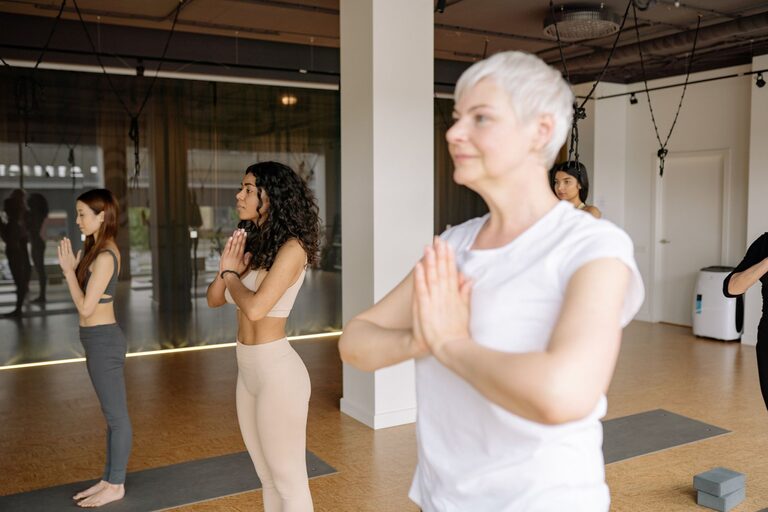
Finding a hobby that engages both your mind and body does not require intense workouts or complicated equipment. Low impact hobbies can offer gentle movement, mental stimulation, creative satisfaction, and opportunities to connect with others. They are especially appealing when you want an enjoyable activity that fits easily into your daily routine.
The best hobby is one you look forward to doing. Whether you prefer quiet concentration, time outdoors, hands-on projects, or friendly group activities, there are many ways to stay active and engaged at your own pace.
What Makes a Hobby Low Impact?
A low impact hobby generally involves controlled movements and places less stress on the body than high intensity activities. It may still involve standing, walking, stretching, reaching, or using your hands, but the activity can often be adjusted to match your comfort and energy level.
Low impact hobbies can also engage the mind through:
– Problem solving
– Memory and concentration
– Planning and organization
– Creativity and self-expression
– Learning new skills
– Social interaction
You do not need to spend hours on a hobby to enjoy its benefits. Even a short, regular session can provide a welcome break from screens, work, or daily responsibilities.
Gardening and Container Growing
Gardening combines gentle movement with patience, planning, and creativity. Digging, planting, watering, pruning, and arranging plants can keep your hands busy while giving you a reason to spend time outdoors.
You do not need a large yard to get started. Container gardening works well on patios, balconies, windowsills, and small outdoor spaces. Consider growing:
– Herbs such as basil, mint, or parsley
– Easy-care flowers
– Salad greens
– Small vegetables
– Indoor plants
Gardening also encourages observation. You can track how plants change over time, learn about growing conditions, and experiment with different arrangements. If bending or kneeling is uncomfortable, use raised containers, shelves, or a tabletop garden.
Walking With a Purpose
Walking is a simple, flexible hobby that becomes more engaging when you give it a focus. Instead of walking only for distance, try exploring local architecture, photographing interesting details, or making a list of birds, trees, or public art you notice along the way.
You can make purposeful walking more enjoyable by:
– Choosing a new route each week
– Listening to an audiobook or podcast
– Walking with a friend
– Visiting parks and community trails
– Taking seasonal photos
– Creating a neighborhood checklist
Keep the pace comfortable and choose routes that suit your preferences. A short walk that you enjoy is more valuable as a hobby than a demanding routine you avoid.
Birdwatching and Nature Observation
Birdwatching invites you to slow down and pay attention to your surroundings. It can be done from a backyard, balcony, park, or walking trail. All you need to begin is curiosity; binoculars and guidebooks are optional.
Nature observation can include identifying:
– Birds
– Trees and flowers
– Insects
– Clouds
– Seasonal changes
– Local wildlife
Keeping a simple observation journal adds a creative and learning element. Record what you saw, where you found it, and the date. Over time, you may notice patterns in local wildlife and develop a deeper appreciation for familiar places.
Drawing, Coloring, and Sketching
Art-based hobbies can engage your attention without requiring a large workspace. Drawing and sketching encourage close observation, while coloring offers a structured way to experiment with shapes and color combinations.
Try starting with a small project, such as:
– Sketching a household object
– Drawing a plant
– Making a daily doodle
– Coloring a landscape
– Designing greeting cards
– Creating a simple nature journal
The goal does not have to be professional-quality artwork. Enjoying the process, noticing details, and experimenting with different materials can make the hobby rewarding.
Puzzles and Brain Games
Puzzles are a convenient way to keep your mind active during quiet moments. Jigsaw puzzles, crosswords, word searches, logic games, and number puzzles each offer different types of challenges.
For variety, choose puzzles that match your mood and available time. A small word puzzle may take only a few minutes, while a jigsaw puzzle can become a longer project shared with family or friends.
To keep the experience enjoyable, gradually explore different difficulty levels. You can also set up a puzzle station with a tray or portable board, making it easier to pause and return later.
Knitting, Crochet, and Other Handcrafts
Handcrafts combine focused attention with repeated, controlled movements. Knitting, crochet, embroidery, weaving, and simple paper crafts can all provide a sense of progress as a project takes shape.
Beginners may want to start with a small, useful item, such as:
– A scarf
– A coaster
– A bookmark
– A simple wall decoration
– A greeting card
– A small gift
Online tutorials, library books, and community classes can help you learn the basics. Choose tools and materials that feel comfortable to handle, and take regular breaks during longer sessions.
Cooking and Baking Projects
Cooking is an everyday task that can become a creative hobby when you approach it as an opportunity to explore. Try preparing a dish from a different region, learning a new technique, or creating a meal around seasonal ingredients.
You can make cooking more engaging by:
– Keeping a recipe journal
– Photographing finished dishes
– Testing ingredient substitutions
– Planning themed meals
– Cooking with a friend
– Growing herbs for recipes
Baking can also provide a satisfying mix of measuring, timing, and hands-on work. Choose recipes that match your available time and kitchen setup.
Photography
Photography encourages you to look at ordinary surroundings in new ways. You can use a smartphone or a dedicated camera to capture textures, colors, reflections, plants, buildings, or everyday moments.
Consider choosing a weekly theme, such as:
– Blue objects
– Interesting doors
– Morning light
– Patterns
– Local signs
– Seasonal details
Photography can include gentle walking, creative decision-making, and editing. It also gives you a reason to explore familiar places with fresh attention.
Gentle Music and Singing
Learning an instrument, practicing an existing skill, or singing can engage memory, coordination, listening, and self-expression. Options include keyboard, ukulele, recorder, hand percussion, or digital music tools.
If you are new to music, begin with short practice sessions and simple songs. You might also join a community choir, attend a beginner class, or use guided lessons. The social element can make learning more motivating and enjoyable.
How to Choose the Right Hobby
When selecting a hobby, think about what you want from the experience. Ask yourself:
– Do I prefer indoor or outdoor activities?
– Would I rather work alone or with others?
– Do I enjoy making, learning, collecting, or exploring?
– How much space and equipment do I have?
– Can I fit this activity into my regular schedule?
– Would I like a hobby with a finished result?
Start small and give the activity enough time to become familiar. A hobby does not need to be productive or impressive to be worthwhile. If it brings focus, enjoyment, movement, or connection to your day, it is doing its job.
Make It a Sustainable Routine
The easiest way to maintain a hobby is to make it convenient. Keep supplies where you can see them, choose a regular time, and set manageable goals. You might spend ten minutes sketching after breakfast, water plants in the evening, or work on a puzzle during the weekend.
It can also help to alternate activities. Pair a quiet hobby, such as reading or puzzles, with a more active one, such as gardening or walking. This keeps your routine varied and allows you to choose an activity that fits your energy and mood.
Low impact hobbies offer a practical way to stay curious, creative, and gently active. By choosing something enjoyable and making it part of your routine, you can keep both your mind and body engaged while creating more satisfying moments in everyday life.