

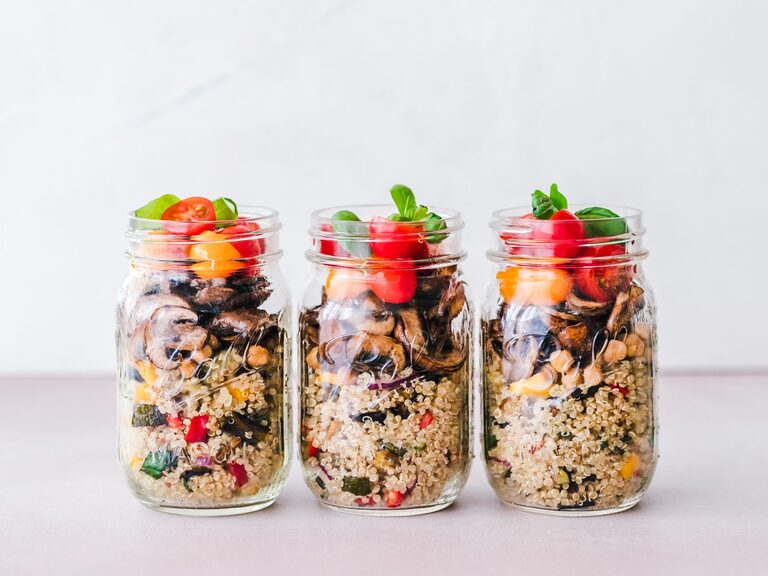
Staying active while managing work, errands, family responsibilities, and social plans can make meals feel like one more task on a long list. Without a simple plan, it is easy to skip meals, rely on last-minute takeout, or spend too much time deciding what to cook.
Meal planning does not have to mean preparing every meal in advance or following a strict schedule. A few practical habits can make daily meals more predictable, flexible, and enjoyable. The goal is to create a system that saves time without making food feel complicated.
Start With a Flexible Weekly Outline
Before shopping or cooking, take a few minutes to look at the week ahead. Note busy days, workout times, evening commitments, and any meals that need to be especially quick.
Instead of planning seven detailed recipes, assign simple meal categories to different days:
– One-pan meal
– Pasta or grain bowl
– Soup or stew
– Leftover night
– Quick breakfast-for-dinner meal
– Takeout or restaurant meal
– Flexible option from available ingredients
This approach gives you direction while leaving room for changes. If your schedule shifts, you can move meals around without abandoning the entire plan.
A useful weekly outline might include three or four planned dinners, two leftover meals, and one flexible option. Breakfasts and lunches can follow a few repeatable combinations to reduce decision-making.
Build Meals Around Simple Components
A balanced meal can be easier to plan when you think in components rather than complete recipes. Choose one item from each of these groups:
– A main protein, such as eggs, beans, lentils, chicken, fish, tofu, or yogurt
– A filling carbohydrate, such as rice, potatoes, oats, pasta, bread, or quinoa
– Fruits or vegetables
– A flavorful addition, such as salsa, pesto, dressing, herbs, cheese, or a simple sauce
These components can be mixed and matched throughout the week. For example, cooked rice, roasted vegetables, and chicken can become a bowl, a wrap filling, or a side dish for another meal.
This method also makes it easier to use what you already have. Instead of searching for a recipe that uses every ingredient, you can create several meals from a few flexible basics.
Keep a List of Reliable Meals
Create a personal list of meals that are easy to prepare and generally work well for your schedule. Aim for at least 10 options across breakfast, lunch, and dinner.
Examples include:
– Oatmeal with fruit and nuts
– Greek yogurt with granola and berries
– Egg and vegetable toast
– Turkey, hummus, and vegetable wraps
– Rice bowls with beans and roasted vegetables
– Pasta with tomato sauce and greens
– Sheet-pan chicken with potatoes and vegetables
– Tofu stir-fry with rice
– Lentil soup with whole-grain bread
– Tuna or chickpea salad with crackers or greens
A reliable meal should not require an exact recipe every time. Keep it simple enough to adjust based on available ingredients, preferences, and time.
Use a Short Prep Session
A weekly prep session does not need to take an entire afternoon. Even 30 to 60 minutes can make busy days easier.
Focus on tasks that support several meals:
– Wash and cut produce
– Cook a batch of rice, pasta, or another grain
– Prepare hard-boiled eggs
– Roast a tray of vegetables
– Cook a large batch of beans, lentils, chicken, or another main ingredient
– Mix a simple dressing or sauce
– Portion snacks into containers
You do not have to fully assemble every meal. Preparing a few building blocks may be more useful than making several identical containers. This keeps meals flexible and helps prevent boredom.
If your weekend is already full, use a shorter prep session on a weekday evening or prepare one item while cooking another meal.
Make Breakfast and Lunch Repeatable
Busy mornings and workday lunches often create the most pressure. A small rotation of dependable options can save time and reduce daily decisions.
For breakfast, choose two or three meals that can be prepared quickly or made ahead. Overnight oats, yogurt bowls, egg muffins, smoothies, and whole-grain toast with simple toppings are easy to vary.
For lunch, consider meals that travel well and can be eaten cold or reheated. Grain bowls, wraps, pasta salads, leftovers, soups, and snack-style plates can all work well.
A repeatable meal does not have to be the same every day. Change the flavor with different toppings, sauces, herbs, or vegetables.
Keep Emergency Foods on Hand
Even the best plan can be interrupted. A stocked kitchen makes it easier to handle late meetings, unexpected errands, or low-energy evenings.
Useful emergency foods include:
– Canned beans, tuna, or salmon
– Eggs
– Frozen vegetables
– Frozen fruit
– Whole-grain bread or tortillas
– Canned soup
– Oats
– Pasta or rice
– Jarred tomato sauce
– Nuts and seeds
– Yogurt
– Prewashed salad greens
These foods can quickly become a meal when combined. For example, pasta with frozen vegetables and beans takes little effort. Eggs, toast, and fruit can provide a simple dinner when cooking feels like too much.
Match Meals to Your Schedule
Active adults often have different needs on different days. A long workday may call for a meal that can be reheated, while a day with more free time may allow for cooking something new.
Plan your most convenient meals for the busiest parts of the week. Save recipes that require more preparation for days when you have extra time.
It can also help to prepare portable options for days spent away from home. Packable choices such as wraps, fruit, trail mix, yogurt, sandwiches, or prepared grain bowls can reduce the temptation to skip meals or make an unplanned purchase.
Shop With a Focused List
A meal plan is most useful when it leads to a practical shopping list. Organize your list by store section, such as produce, refrigerated items, pantry foods, and frozen foods.
Before shopping, check what you already have. This helps reduce duplicate purchases and makes it easier to use ingredients before they go to waste.
Choose ingredients that can serve several purposes. A container of spinach, for example, can be used in eggs, smoothies, sandwiches, pasta, and salads. A batch of roasted vegetables can work in bowls, wraps, or alongside a main dish.
Leave Room for Flexibility
Meal planning should support your life, not control it. Plans may change because of travel, social events, schedule changes, or simply a change in appetite.
Use your plan as a guide rather than a set of rules. Keep one or two meals flexible each week, and avoid preparing more food than you are likely to eat. If a planned dinner does not happen, move it to another day or freeze part of it for later.
The most effective system is one you can repeat. Start with a simple weekly outline, a short list of reliable meals, and a few prepared ingredients. Over time, these habits can make meals easier to manage while giving you more time for work, movement, rest, and the activities you enjoy.