

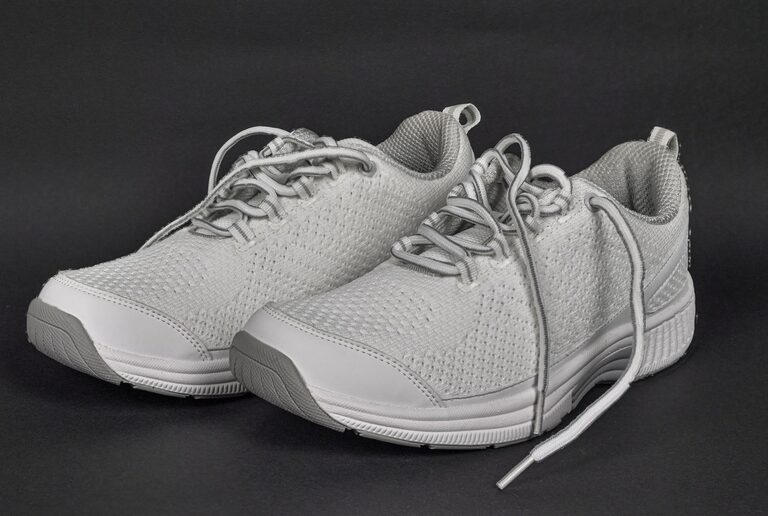
Comfortable walking shoes can make busy days easier, whether you are exploring a city, commuting on foot, running errands, or spending hours at an event. The right pair should feel supportive without being stiff, fit securely without pinching, and match the surfaces where you plan to walk.
With so many styles and features available, choosing a pair can feel overwhelming. A few simple checks can help you compare shoes and find an option that suits your feet, routine, and personal preferences.
Start With How You Plan to Use Them
The best walking shoe depends partly on your daily activities. A lightweight sneaker may work well for sidewalks and errands, while a more rugged shoe may be better for uneven paths or outdoor trips.
Before shopping, consider:
– How many hours you usually spend on your feet
– Whether you walk mainly on sidewalks, floors, trails, or mixed surfaces
– The typical weather in which you will wear the shoes
– Whether you need space for thicker socks
– How often you expect to use the shoes
– Whether you prefer a casual, sporty, or understated style
A shoe designed for short walks may not provide the comfort you need for a full day. Matching the shoe to your routine can help you avoid choosing based on appearance alone.
Look for a Comfortable Fit
Fit is one of the most important factors in walking shoe comfort. A shoe that is too tight can create pressure points, while one that is too loose may allow your foot to slide forward or sideways.
Check the Length
There should generally be a small amount of space between your longest toe and the front of the shoe. Your toes should not touch the end when you stand or walk. This extra room allows for normal foot movement and slight changes in foot size during the day.
Try both shoes, since one foot may be slightly larger than the other. Stand up and walk around the store or your home if you are trying shoes indoors. Pay attention to whether your toes feel crowded or press against the upper material.
Check the Width
Your foot should sit comfortably within the widest part of the shoe. Watch for tightness across the toes or the sides of the foot. The upper should hold your foot securely without creating strong pressure.
If you often need to loosen the laces to reduce pressure, the shoe may not be the right shape for your foot. Look for brands or models that offer different width options when available.
Try Shoes on Later in the Day
Feet can change slightly in size after standing and walking throughout the day. Trying on shoes in the afternoon or evening may give you a more realistic sense of how they will feel during active use.
Wear the type of socks you expect to use with the shoes. Even a small difference in sock thickness can affect the fit.
Consider Support and Cushioning
Walking shoes often include cushioning in the midsole to soften the feel of each step. Some people prefer a soft, flexible feel, while others like firmer support and a more stable platform.
There is no single cushioning level that works for everyone. Instead, focus on how the shoe feels when you walk naturally.
A comfortable shoe should:
– Feel stable when you stand and move
– Bend in a way that feels natural
– Provide cushioning without feeling overly soft
– Avoid creating pressure under the heel or front of the foot
– Keep your foot aligned comfortably inside the shoe
Extra cushioning is not automatically better. Very soft shoes may feel pleasant at first but may not provide the stable feel you prefer. On the other hand, a firm shoe may feel more secure but less comfortable over long periods. Walk in several pairs to compare the difference.
Pay Attention to Flexibility
Walking shoes should allow natural movement without folding too easily in the middle. Try gently bending the shoe with your hands. It should flex near the front, where your foot naturally bends, rather than collapsing throughout the entire sole.
A shoe that is too stiff may feel restrictive during a long walk. A shoe that is too flexible may feel less stable, especially on uneven surfaces. The right balance depends on your walking environment and personal comfort.
For regular sidewalk walking, moderate flexibility is often a practical choice. For rougher paths, you may prefer a shoe with a firmer sole and additional structure.
Check the Heel and Upper
The heel area should hold your foot in place without rubbing. Walk several steps and notice whether your heel lifts excessively or slips from side to side. A small amount of movement may be normal, but repeated slipping can lead to discomfort.
The upper material also affects the overall experience. Mesh and other breathable fabrics can help keep shoes feeling lighter during warm weather. Leather and synthetic materials may offer a more structured feel and can be easier to clean, depending on the design.
Look for an upper that:
– Feels smooth against your skin
– Does not press on the top of your foot
– Holds your foot securely
– Allows comfortable movement of your toes
– Matches the weather and conditions where you will wear the shoes
Laces, straps, and other closures should let you adjust the fit. Adjustable details are especially useful if your feet change slightly during a long day.
Examine the Outsole
The outsole is the part of the shoe that contacts the ground. Its pattern and material affect traction, durability, and walking comfort.
For everyday use, look for an outsole with enough grip for common surfaces such as tile, pavement, and polished floors. If you plan to walk on gravel or packed paths, choose a model with a more noticeable tread.
Also consider the weight of the sole. A thick, heavy outsole may offer durability, but a lighter design can feel easier to wear for hours. Pick the balance that fits your routine.
Test the Shoes Before Buying
When possible, walk in the shoes for several minutes before making a decision. Take a few normal steps, turn, climb a few stairs, and stand still. Notice how the shoes feel in different positions.
Ask yourself:
– Do my toes have enough room?
– Do my heels stay in place?
– Is there any rubbing or pinching?
– Does the shoe feel stable?
– Can I walk naturally?
– Do both shoes feel equally comfortable?
– Would I be happy wearing them for several hours?
Do not rely only on the first impression. A shoe may feel soft while standing but uncomfortable after several minutes of walking. If you shop online, review the size guide and return policy before ordering.
Choose Comfort Over Appearance
Style matters, especially if you want shoes that work with several outfits. However, attractive shoes that do not fit well are unlikely to become reliable everyday footwear.
Look for a design that combines your preferred appearance with practical features. Neutral colors, simple shapes, and clean materials can make walking shoes easy to wear with casual clothing while still providing the comfort you need.
Break In New Shoes Gradually
Even comfortable shoes may need a short adjustment period. Wear a new pair at home or for brief outings before using them for a full day. This gives you time to notice rubbing, slipping, or other fit issues.
If the shoes remain uncomfortable after several short wears, they may not be the right match. Comfort should improve with familiarity, but persistent pressure or rubbing is a sign to reconsider the fit.
Take Care of Your Walking Shoes
Good care can help walking shoes remain comfortable and useful for longer. Let them air out after use, especially if they become damp. Follow the manufacturer’s cleaning instructions, and avoid exposing materials to unnecessary heat.
Rotate between two pairs when possible. Alternating shoes gives each pair time to dry and recover its shape. Check the outsole and interior occasionally for signs of heavy wear.
The ideal walking shoe is not necessarily the most expensive or the most heavily cushioned. It is the pair that fits your feet well, supports your everyday movement, and feels comfortable on the surfaces you use most. By focusing on fit, flexibility, cushioning, traction, and realistic testing, you can choose shoes that are ready for active days.